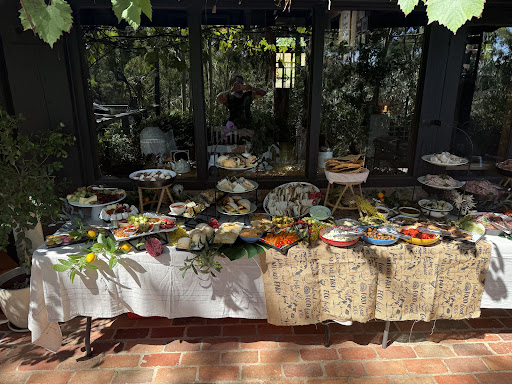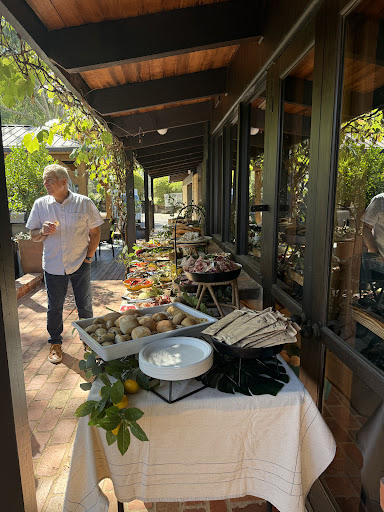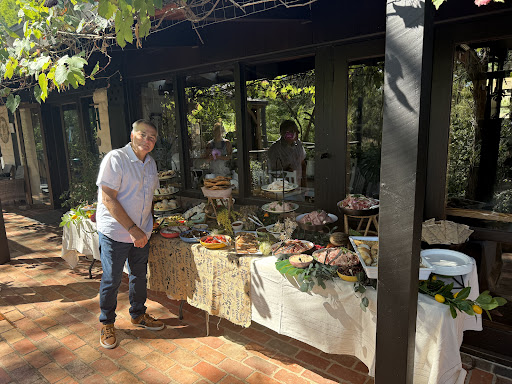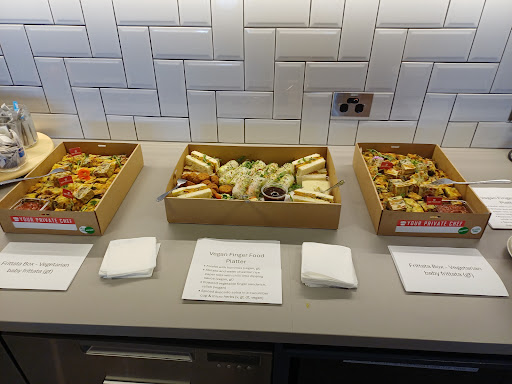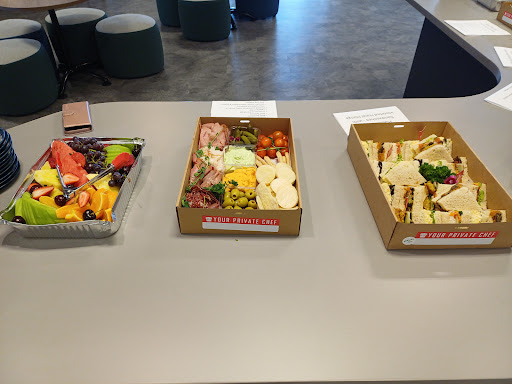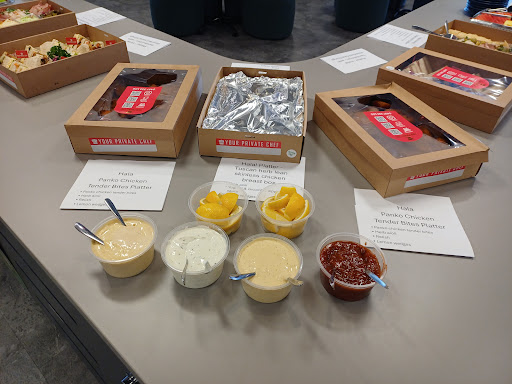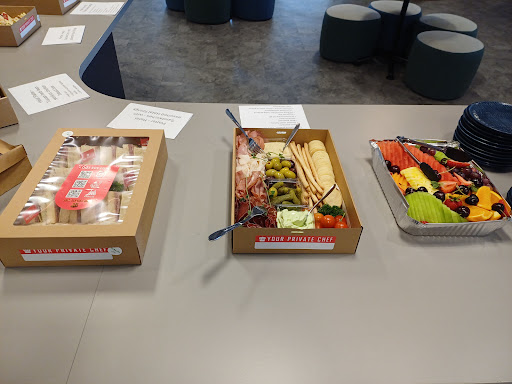
Planning a large-scale event in Australia whether it’s a corporate function, wedding, community celebration, or milestone party requires a catering solution that is flexible, efficient, and satisfying for all attendees. This is why Buffet Catering remains one of the most popular choices for big gatherings. With a wide range of dishes, easy service flow, and the ability to accommodate large groups, buffets offer a seamless and enjoyable dining experience for guests of all backgrounds.
Why Buffet Catering Works Perfectly for Large Events
Buffets provide variety, convenience, and flexibility three essential elements for planning large Australian functions.
Key benefits of buffet-style catering:
Wide menu selection: Meat, seafood, salads, sides, vegetarian, vegan, and gluten-free options.
Ideal for mixed dietary needs: Guests can choose what suits them.
Faster service flow: Reduces long wait times at events with 80–500+ guests.
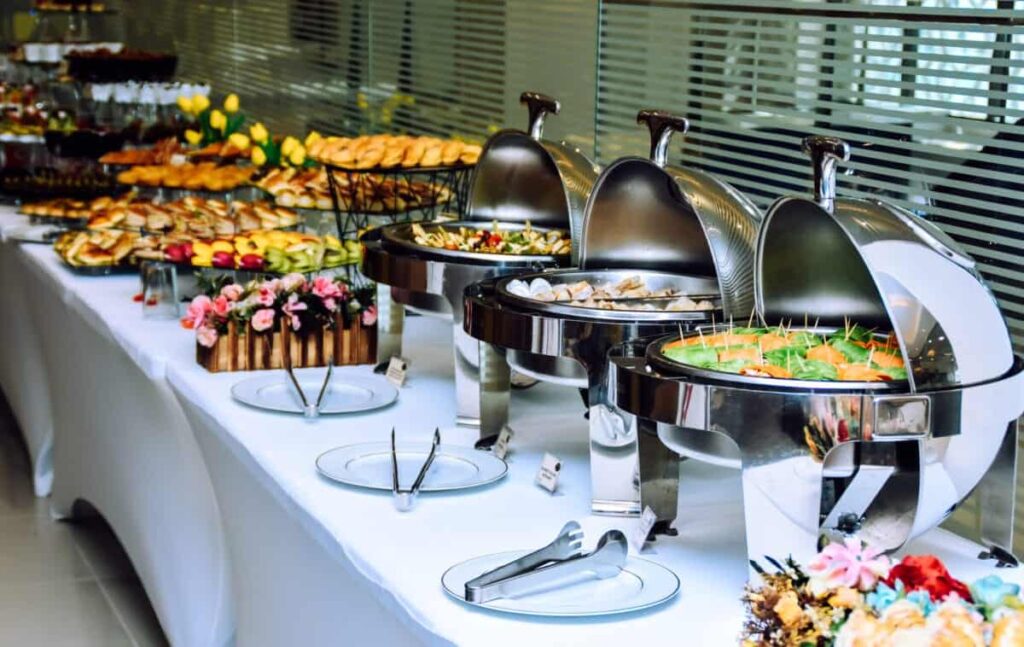
Visually appealing: Beautiful food stations create a vibrant atmosphere.
Highly cost-efficient: Perfect for hosts working within a budget.
How to Plan Buffet Catering for Large-Scale Australian Events
1. Decide on Your Event Style
Different events require different buffet styles. Understanding your event helps determine portion sizes, food choices, and service structure.
Examples:
Corporate events: Elegant hot dishes + salads + sides
Weddings: Mixed grazing tables + premium hot options
Community events: Crowd-friendly dishes + budget-friendly selections
Private parties: Mix of hearty favourites + canapés
2. Choose a Balanced Buffet Menu
A successful buffet offers a mix of flavours, textures, and dietary options.
A well-balanced buffet should include:
2–3 protein dishes (chicken, beef, seafood)
1–2 vegetarian dishes
3–4 sides (rice, vegetables, pasta, potatoes)
Fresh salads
Bread selections
Condiments and sauces
Desserts (optional but recommended)
Popular Australian buffet options include:
Herb-roasted chicken
Grilled barramundi
Roast beef with gravy
Mediterranean salads
Creamy pasta dishes
Seasonal roasted vegetables
3. Calculate Portion Sizes Accurately
For large events, food quantity planning is crucial.
General buffet guidelines:
Main proteins: 150–200g per guest
Sides: 3–4 portions per guest
Salads: 1.5 cups per guest
Bread: 1–2 pieces each
Dessert: 1–1.5 servings per person
This ensures every guest is satisfied without excessive waste.
4. Organise the Buffet Layout
The setup influences guest experience and event flow.
Best layout tips:
Use multiple serving points for 150+ guests
Place salads and cold items at the start
Put hot dishes in the middle
Keep cutlery at the end of the table
Always label dishes clearly
Assign staff to help guests and manage crowd control
5. Consider Dietary Requirements Early
Today’s events must be inclusive. Make sure your buffet includes:
Vegetarian options
Vegan options
Gluten-free dishes
Dairy-free alternatives
Halal options
Nut-free choices
Clear labels and separate serving utensils ensure food safety for all guests.
6. Hire Professional Staff
Large-scale buffets require experienced catering support. Professional chefs and event staff ensure:
Freshly prepared meals
Timely service
Clean and organised stations
Food safety and hygiene
Quick replenishment of dishes
High-quality service is what sets a memorable buffet apart from a basic one.
Enhancing the Guest Experience With Buffet Catering
Creating a memorable buffet involves more than delicious food. Focus on:
Attractive presentation
Seasonal ingredients
Themed stations (Asian, Mediterranean, BBQ, seafood, etc.)
On-site chef interaction
Live cooking elements
These elements turn your buffet into an experience rather than just a meal.
FAQs
1. What is Buffet Catering?
Buffet Catering provides a wide range of dishes in a self-serve style, ideal for large events that require variety and efficiency.
2. How many dishes should a buffet include?
A good buffet includes at least 2–3 proteins, 3–4 sides, salads, bread, and optional desserts.
3. Is buffet catering suitable for weddings and corporate events?
Yes. Buffets are popular for both due to their flexibility and ability to serve large groups efficiently.
4. How do I calculate food quantities for a large event?
Plan 150–200g proteins per person, multiple sides, and at least one vegetarian option.
5. Can buffet menus be customised for dietary needs?
Absolutely. Vegan, gluten-free, dairy-free, halal, and allergy-friendly dishes can be included.
Conclusion
Whether you’re hosting a corporate event, wedding, or large community celebration, Buffet Catering offers unmatched flexibility, variety, and convenience. With the right planning, professional support, and a well-balanced menu, you can create a seamless dining experience that satisfies guests of all ages and preferences across Australia.